7 Best Small Business Tax Credits You Can Claim
Small business tax credits can shrink your tax bill dollar for dollar, and most owners never claim them.
Maybe you've wondered:
• "Am I leaving money on the table?"
• "Is this stuff even meant for a business my size?"
• "Is it worth the paperwork?"
Those are fair questions.
I've asked them myself.
Here's the short version.
Credits are one of the strongest tools in the tax code.
They're also easy to miss.
Let's fix that.
Want help from the start?
Most owners miss credits because nobody plans for them during the year.
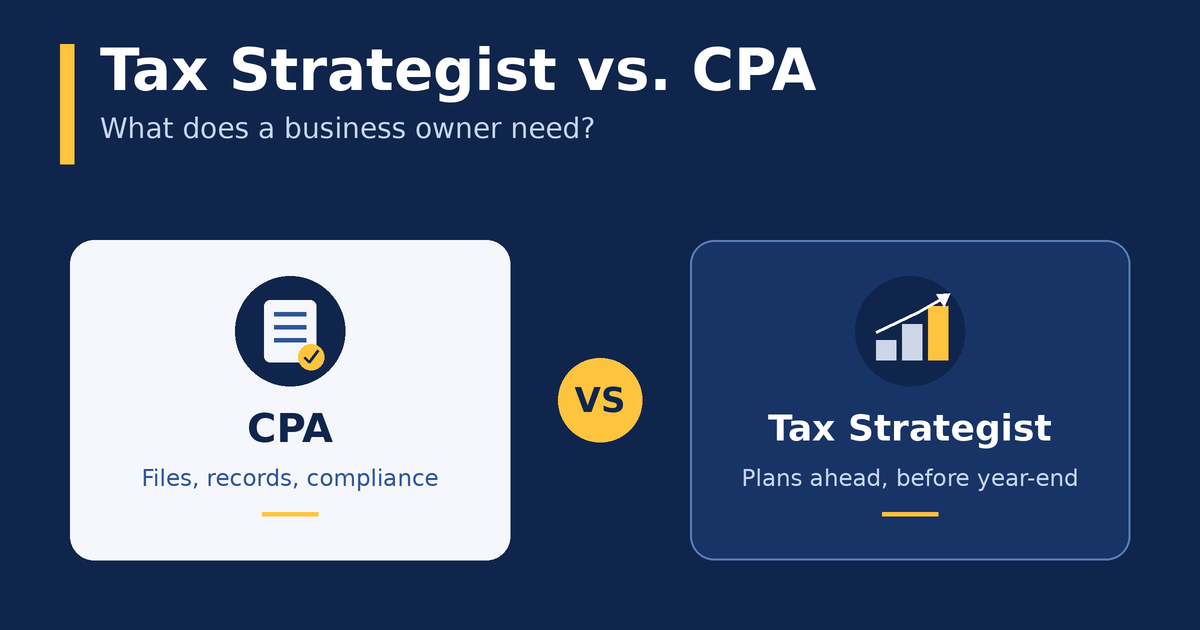
HeyDrew is built around year-round tax planning, not just filing in the spring.
If you want a team in your corner while you read this, see how HeyDrew works.
Tax Credits vs. Tax Deductions: What's the Difference?
Most owners mix these up.
So let's make it simple.
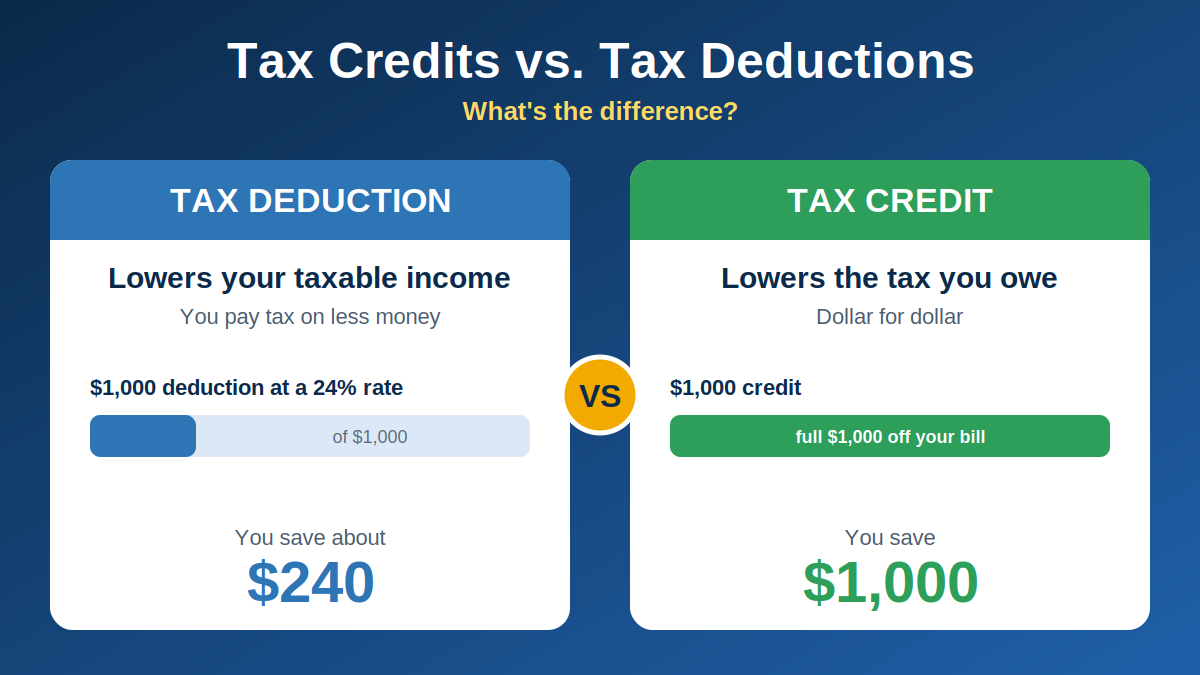
• A tax deduction lowers your taxable income.
• A tax credit lowers the tax you owe.
The IRS puts it this way: a credit is an amount you subtract from the tax you owe.
A deduction is an amount you subtract from your income, so you don't pay tax on it.
Quick example:
• A $1,000 deduction at a 24% rate saves you about $240.
• A $1,000 credit saves you $1,000.
Same number.
Very different result.
That's why small business tax credits get so much attention.
They hit your bill directly.
Both matter, though.
Most businesses use both.
If you want the deduction side, I break it down in our guide to small business tax deductions.
Credits and deductions work best together
The trick is knowing which ones fit your business before the year ends.
Talk with HeyDrew about a tax strategy that covers both.
Why Small Business Tax Incentives Get Missed
Here's a story I see all the time.
A friend runs a small design shop.
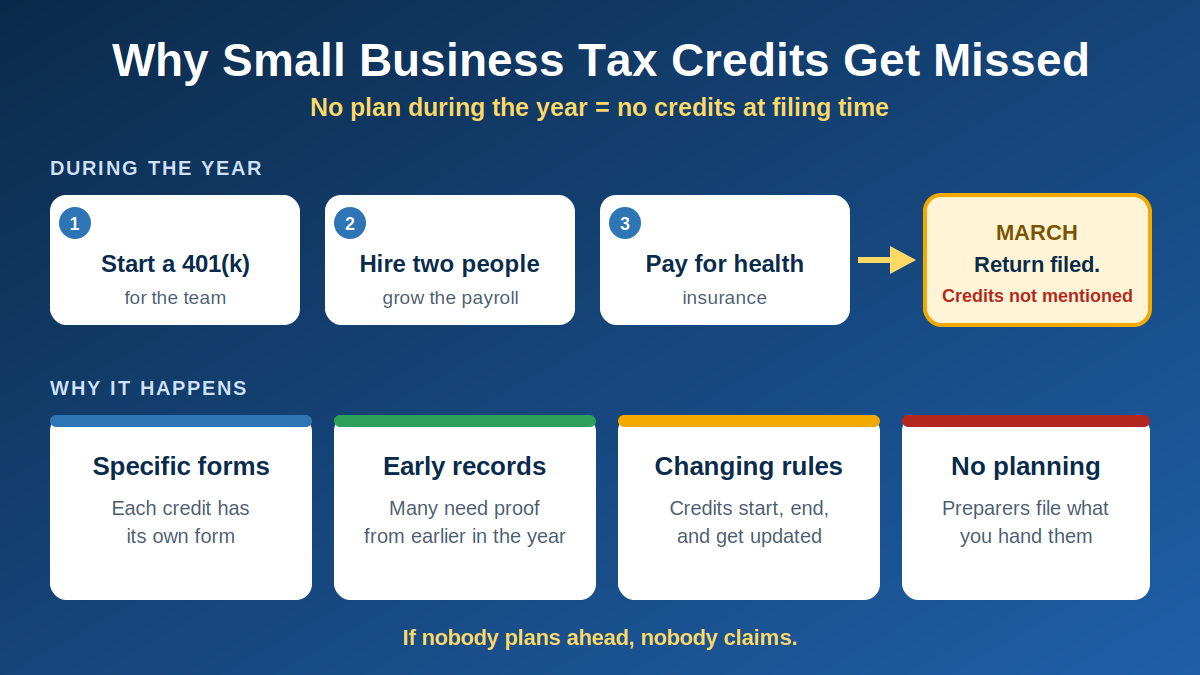
She starts a 401(k) for her team.
She hires two people.
She pays for part of their health insurance.
Her tax preparer files the return in March.
Nobody mentions credits.
Not because anyone was lazy.
Because the credits needed forms, records, and planning that never happened.
She lost real money.
And she didn't even know it.
Why this happens:
• Credits need specific forms
• Many need records from earlier in the year
• Rules change often
• Most preparers file what you hand them
If nobody plans ahead, nobody claims.
7 Small Business Tax Credits to Check Before You File
Don't treat this as a menu to pick from.
Treat it as a checklist to ask your tax pro about.
Eligibility depends on your size, your payroll, and what you did during the year.
Always confirm the current rules with the IRS or a professional before you count on any of these.
1. Research Credit (R&D Tax Credit)
This one isn't just for labs and big tech.
It can apply to businesses improving a product or process.
That can include software development or product improvements.
• Form: Form 6765
• You'll need: records of projects and related expenses
• Bonus: some qualifying small businesses can use it against payroll tax, up to a cap
2. Small Employer Pension Plan Startup Credit
Starting a retirement plan for your team?
This can help cover the setup costs.
• Form: Form 8881
• Who it's for: small employers, generally those with 50 or fewer employees
• What it covers: startup and admin costs for plans like a 401(k) or SIMPLE IRA
• Extra: an auto-enrollment credit may also apply
3. Small Business Health Care Tax Credit
This helps you pay for your team's health insurance.
• Form: Form 8941
• Who it's for: small employers, generally under 25 full-time equivalent employees
• Also needed: average wages under an inflation-adjusted limit, and a qualifying plan
• Limit: the credit window is short, so check how many years you can claim
4. Employer Credit for Paid Family and Medical Leave
Offering paid leave?
You may get credit for it.
• Form: Form 8994
• You'll need: a written paid leave policy
• Good news: this credit became permanent under the 2025 tax law
5. Employer-Provided Childcare Credit
Helping your team with childcare?
This credit may offset part of what you spend.
• Form: Form 8882
• You'll need: records of childcare facility or service costs
6. FICA Tip Credit
Own a restaurant, salon, or another business with tipped staff?
Ask about this one.
• Form: Form 8846
• What it covers: employer Social Security and Medicare taxes paid on certain employee tips
• You'll need: clean tip and payroll records
7. Disabled Access Credit
Making your business easier to access for customers or employees with disabilities?
This credit may help with the cost.
• Form: Form 8826
• You'll need: receipts and records of what you spent and why
Other Credits Worth a Question
A few more to bring up with your tax pro:
• New Markets Credit (Form 8874), mostly for investors
• Clean vehicle and energy credits, where the rules have changed recently
A Quick Word on the Work Opportunity Tax Credit (WOTC)
This is the one most articles get wrong right now.
WOTC rewards hiring from certain groups, like veterans.
It expired on December 31, 2025.
Employers can't claim it for new hires since then unless Congress renews it.
Bills to extend it have been introduced.
The IRS still lists it on its credits page.
That doesn't mean it's active for new hires.
Do this:
• Check the IRS WOTC page for the latest status
• Ask your tax pro before you count on it
• Don't plan hiring around a credit that may not exist
Not sure which of these 7 apply to you?
That's normal.
Eligibility depends on your size, payroll, and what you did this year.
Check out HeyDrew if you want a pro to look at your numbers and point out what fits.
How to Claim Small Business Tax Credits
Most of these credits roll into one big bucket called the general business credit.
• You figure each credit on its own form
• Then you combine them on Form 3800
• Unused credits can often be carried back one year or forward up to 20 years
That carryover matters.
If you can't use a credit this year, you may not lose it.
Your credit only counts if you can back it up.
So the next section matters most.
Records You Need to Keep
Credits fail on paperwork.
Not on eligibility.
Keep these on hand:
• Payroll reports
• Hire dates and employee counts
• Health insurance and retirement plan invoices
• Written policies (like paid leave)
• Project notes and time logs, if you're claiming the research credit
• Copies of every form you file
My rule: write it down when it happens.
Not in April.
Records are easier when someone else keeps them tidy
Clean books and payroll make every credit easier to claim.
HeyDrew also offers bookkeeping and payroll, so your records and your tax planning live in one place.
Small Business Tax Credit Deadlines and Timing
It's November 2026.
That means you may still have time to act on this tax year.
Some credits depend on what you do before December 31.
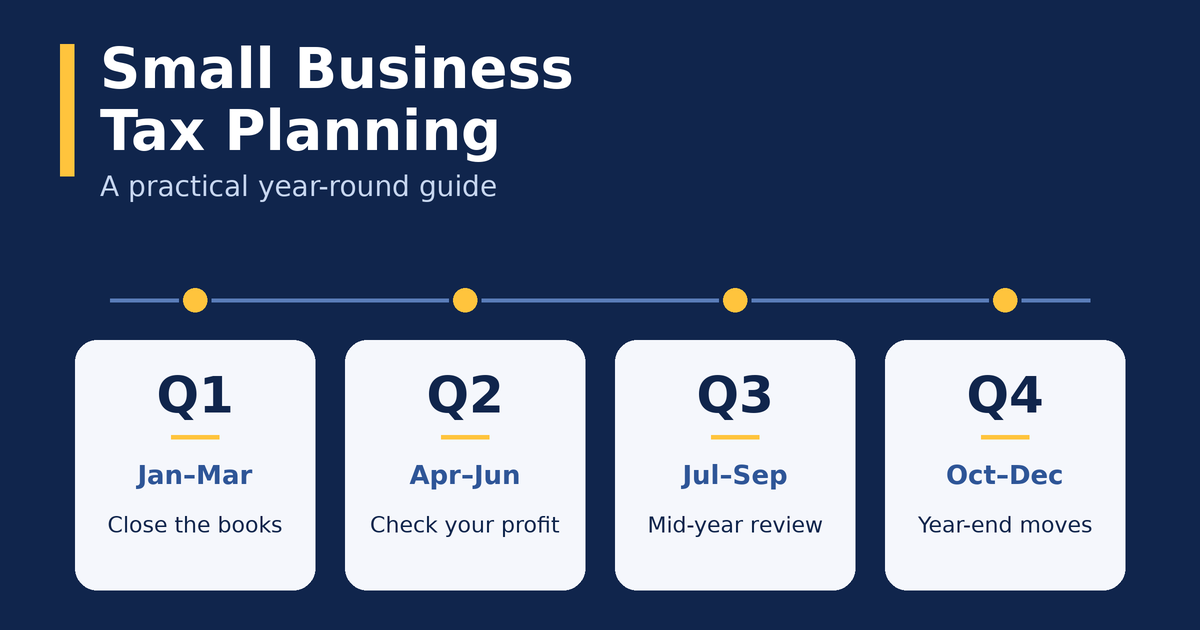
Starting a retirement plan.
Writing a leave policy.
Tracking project time.
Do this now:
1. Review your year so far
2. List what you've started, bought, or offered
3. Ask your tax pro what's still doable before year-end
4. Gather your records now, not in March
Waiting until filing season means the best moves are already gone.
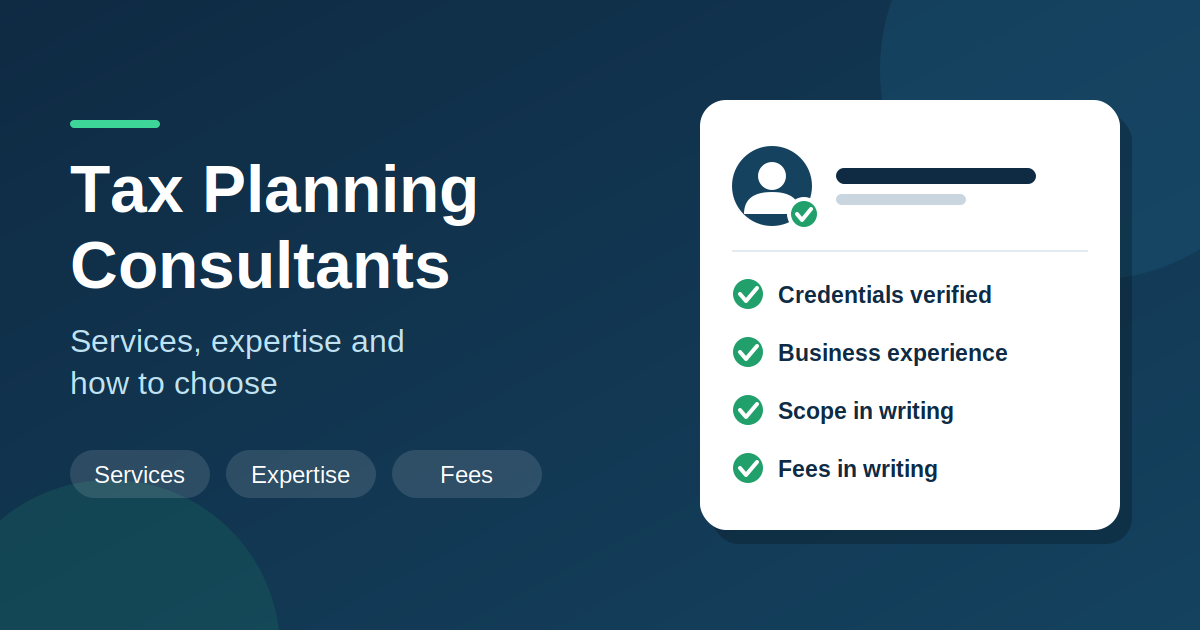
When to Bring in a Professional
You can claim some credits yourself.
Many are hard to get right alone.
Bring in help if:
• You're claiming the research credit
• You've got employees and multiple benefits
• You've carried credits from earlier years
• Your rules or state laws are changing
This is what planning looks like.
Our tax planning services and tax strategy services cover this kind of work.
You can also read our guide to small business tax planning to see how credits fit into the bigger picture.
Want help planning year-round?
If you'd rather not do this alone, HeyDrew is one option.
It's a firm based in St. Augustine, Florida, that serves clients nationwide and focuses on planning ahead during the year instead of looking back after it ends.
It also offers tax preparation, bookkeeping, and payroll in one place.
You can take a look at HeyDrew here if you want to see whether it fits your business.
(Disclosure: this is an affiliate link. If you sign up, we may earn a commission at no extra cost to you.)
Either way, don't skip professional review.
Small Business Tax Credits FAQs
What are small business tax credits?
They're amounts you subtract directly from the tax you owe.
Each one rewards a specific activity, like hiring, offering benefits, or doing research.
Are tax credits better than deductions?
Dollar for dollar, yes.
A credit cuts your tax bill by its full value.
A deduction only cuts your taxable income.
Most businesses benefit from using both.
Which small business tax credits are most commonly missed?
The research credit, the pension plan startup credit, the health care credit, and the paid leave credit.
They need specific forms and records, so they often get skipped.
Is the Work Opportunity Tax Credit still available?
As of this writing, it has expired for new hires who started after December 31, 2025.
Check the IRS site for updates before you plan around it.
Can I carry unused credits to another year?
Often, yes.
The general business credit can generally be carried back one year and forward up to 20 years.
Your tax pro can confirm how this works for you.
Do I need a tax professional to claim them?
Not always.
But the rules are detailed, and mistakes cost money.
A pro can confirm eligibility, spot credits you'd miss, and keep your records clean.
What forms do I need?
Each credit has its own form.
Then most feed into Form 3800, the general business credit.
The Bottom Line on Small Business Tax Credits
Here's what to remember:
• Credits beat deductions dollar for dollar
• Eligibility depends on your size, payroll, and activities
• Records make or break a claim
• Rules change, so verify with the IRS or a pro
• Timing matters, and you can still act before year-end
Small business tax credits won't fix a bad year.
They can make a good year better.
Spend ten minutes this week listing what you've done.
Then ask your tax pro one question: "Which credits apply to me?"
That one question is the whole game with small business tax credits.
Ready to ask that question?
You don't have to figure out small business tax credits alone.
Get started with HeyDrew and see what a year-round plan could look like for your business.




Comments
Leave a Comment
Your email address will not be published. Required fields are marked *